Sector
Electroplating, heat treatment and foundries
Furnaces and rectifiers draw high, often predictable loads. The EDL-G audit duty and grid fee rules often apply too.
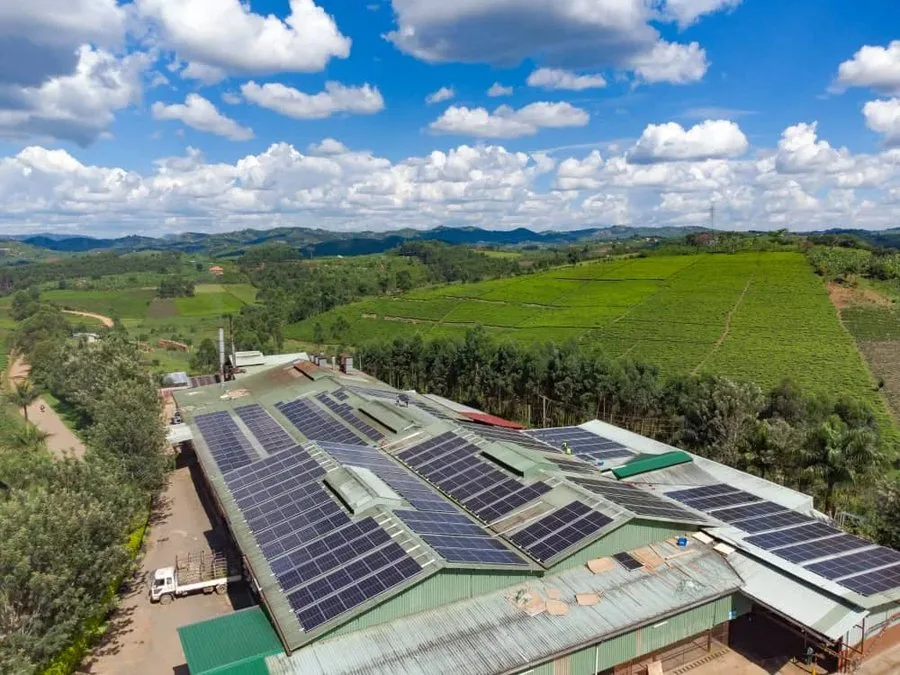
4,074 kWp
PV by Equator Solar
3,923 kWh
Storage by Equator Solar
34
Storage projects by Equator Solar
15
Years of Equator Solar
Furnaces and rectifiers draw high loads on a predictable batch cycle.
Electroplating lines, heat treatment furnaces and foundries run rectifiers and induction furnaces that draw high current for long, repeatable batch cycles. Because the pattern repeats, a battery can be sized against it with confidence. Companies that are not SMEs carry the energy-audit duty under §8 EDL-G, the Energy Services Act, independent of their consumption. The Energy Efficiency Act (EnEfG) adds implementation plans above 2.5 GWh and a full management system above 7.5 GWh. With this load shape, an individual grid fee under §19(2) StromNEV is often worth checking as well.
High, predictable load
Furnaces and rectifiers on repeatable batch cycles
Audit duty likely (EDL-G)
EnEfG above 2.5 / 7.5 GWh: plans, then management system
How the load looks, and where to start
Typical load pattern
Furnaces, induction heating and rectifiers draw high current on a predictable batch cycle.
Electroplating, heat treatment and foundry processes run in batches, so the load pattern repeats closely from one cycle to the next. A load-profile analysis is built to size a battery against exactly this kind of pattern. The audit duty (EDL-G), the EnEfG thresholds and an individual grid fee under §19(2) StromNEV are all worth checking at the same time.
- High current draw from furnaces, induction heating and rectifiers
- Predictable, repeatable batch cycles
- Audit duty likely (EDL-G), EnEfG obligations above 2.5 / 7.5 GWh
- An individual grid fee under §19(2) StromNEV is worth checking
Where to start
An energy audit (EDL-G) covers the compliance duty and the storage question in one exercise.
Peak shaving is the direct use case against the batch-cycle load. Where the audit duty applies, the audit itself is the starting point, because it is required in any case and assesses storage potential as part of the measures.
- Peak shaving against the batch-cycle load
- The audit assesses storage and PV potential as part of the required measures
- One exercise covers both the compliance duty and the sizing question
Use cases in this sector
Two use cases apply most often to electroplating, heat treatment and foundry sites.
Role and fee
The same independence rules and fee structure apply to every project in every sector.
One role per project
On every project we take one of two roles, never both. As independent advisor we are paid a fee, earn nothing on hardware and take no commission from manufacturers or installers. As turnkey partner we deliver the system through vetted installation partners under one contract. If we wrote the specification or evaluate the bids, we do not bid.
Fee
Load-profile analysis, feasibility studies, quote reviews and acceptance tests are offered at a fixed price agreed on the scope. Owner's engineering is billed by day rate or as a fixed fee. Turnkey delivery is a fixed-price contract.
The figures and references on this site are projects of Equator Solar Systems Ltd in East Africa. The contracting party for ZNX services is ZNX Energy GmbH.