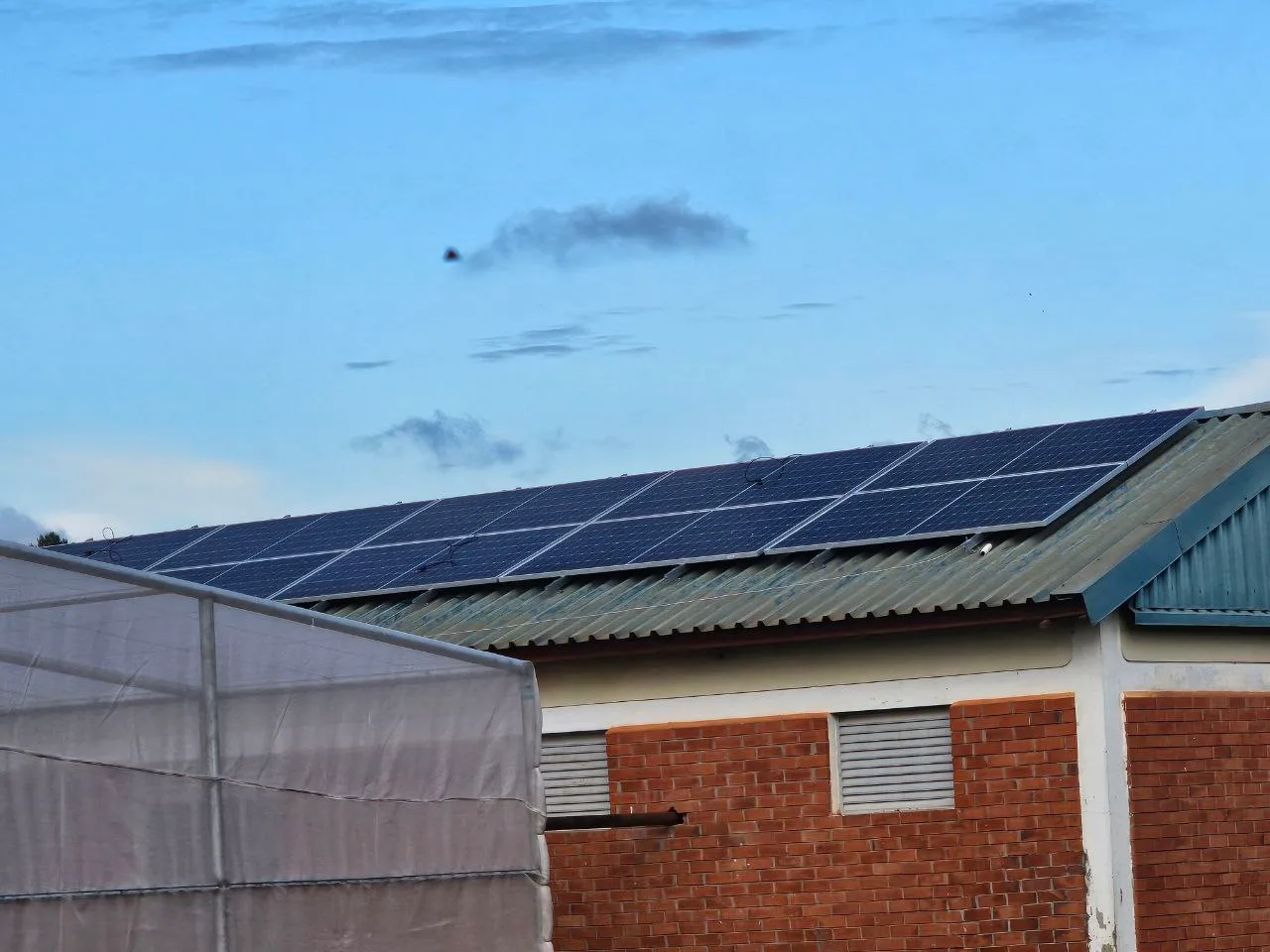
Advisory
Acceptance testing
An independent check of the installed storage system before final payment, against your contract and the relevant standards.
4,074 kWp
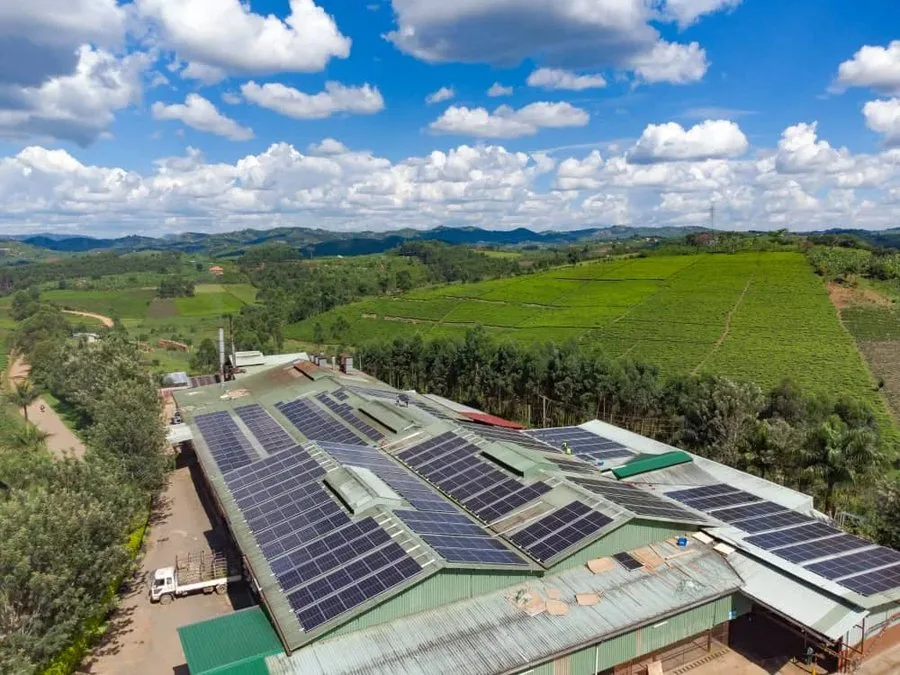
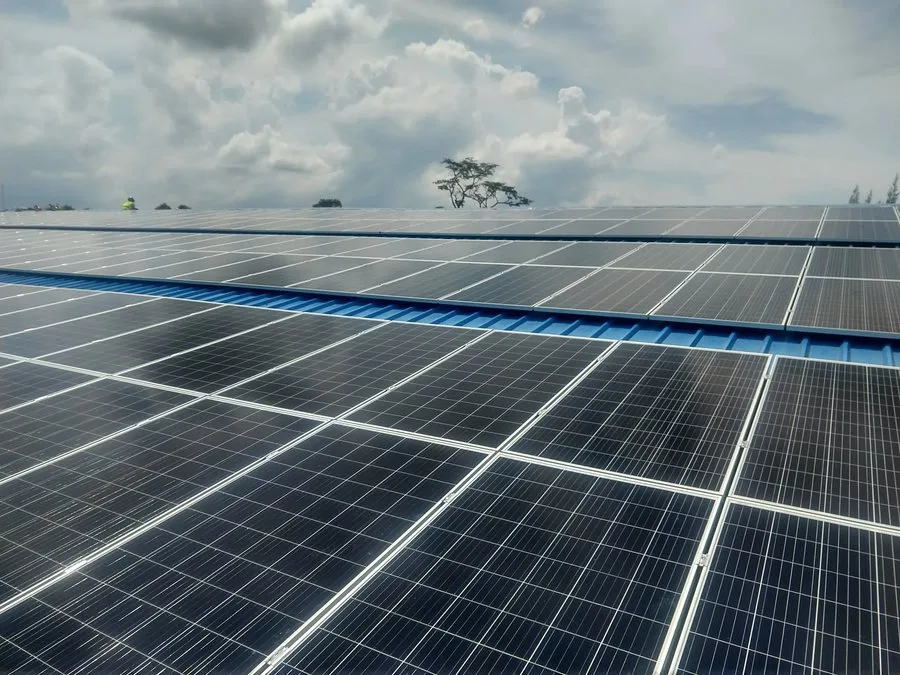
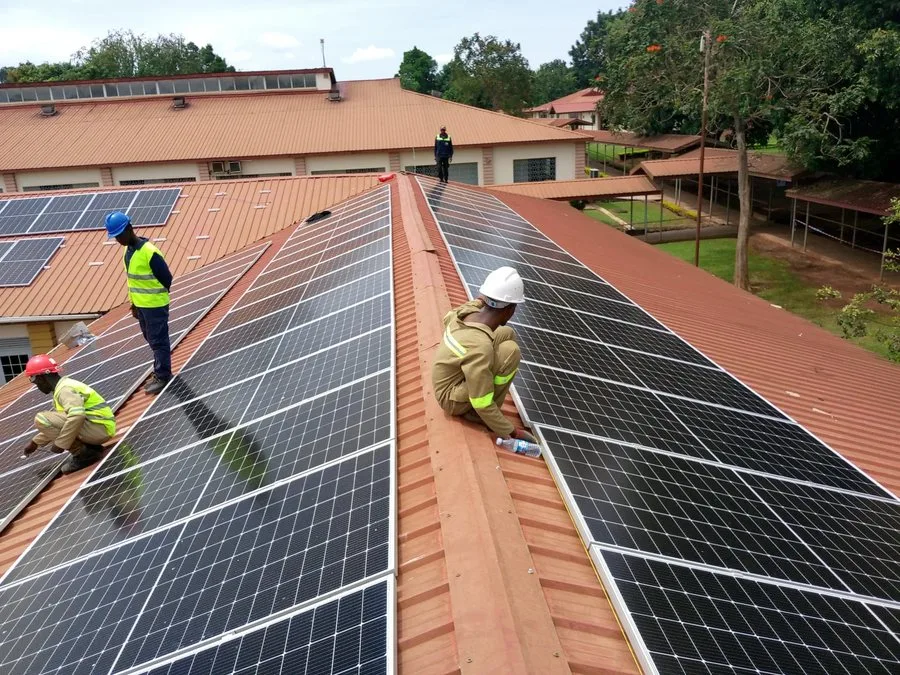
PV by Equator Solar
3,923 kWh
Storage by Equator Solar
34
Storage projects by Equator Solar
15
Years of Equator Solar
Final payment is the last point at which you can still hold money back.
Many storage systems are accepted on the installer’s own test protocol alone, with no independent check of what was actually built and commissioned. An acceptance test checks the system against your contract, against DIN EN IEC 62933, the standard series for storage systems, and against the grid connection rules before you pay the final invoice.
DIN EN IEC 62933
Storage system standard the check is run against
VDE-AR-N 4105 / 4110
Grid connection standards checked at acceptance
What you get and what we need
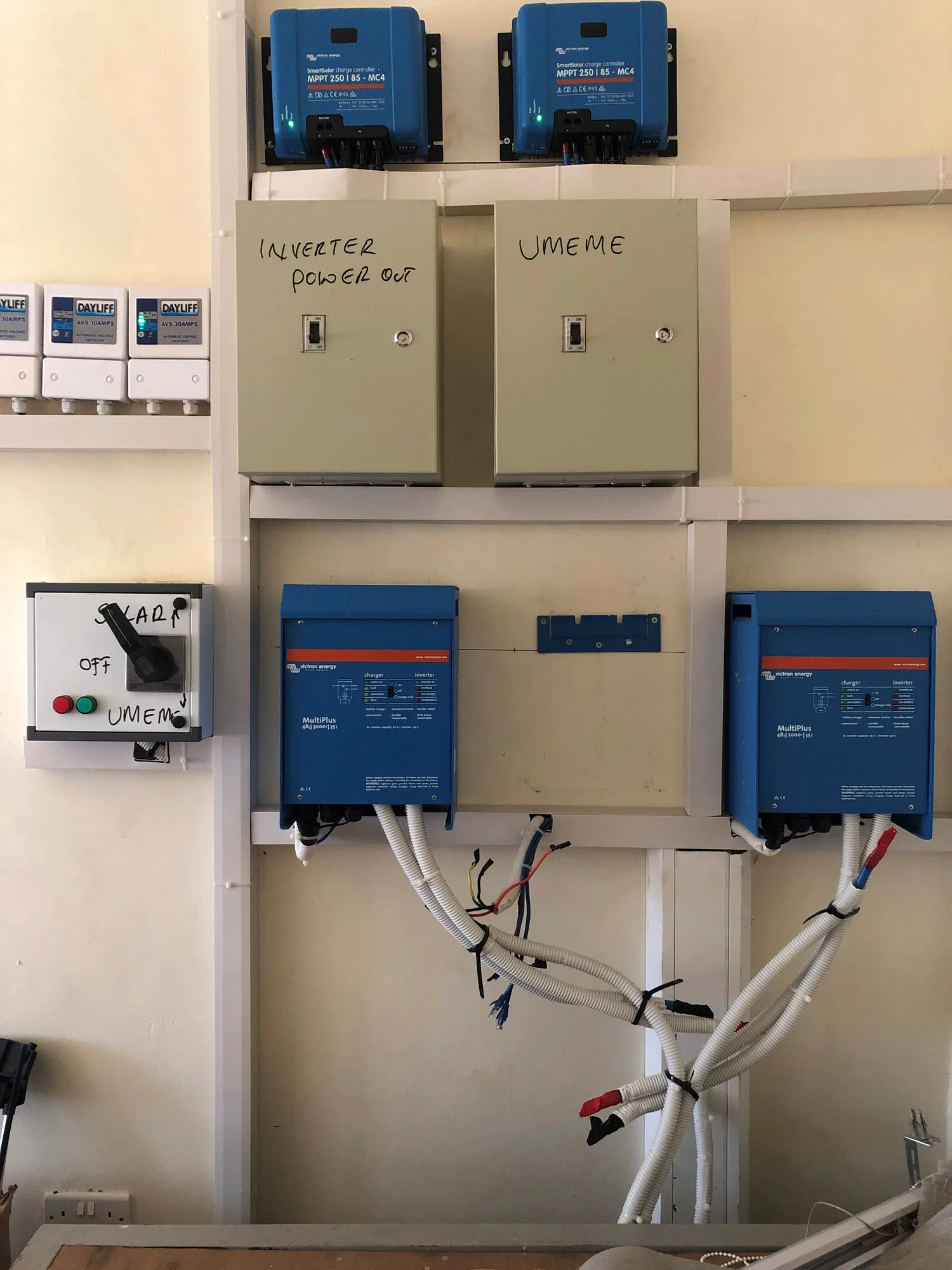
We check the as-built documentation, run a visual and safety inspection and review the commissioning protocol and the logs of the battery management system and the controller. Where the contract includes a capacity test, we witness it. You receive a classified defect list with an acceptance recommendation.
- Document check: as-built drawings, test protocols, certificates, grid operator approvals
- Visual and safety inspection
- Review of the commissioning protocol
- Functional tests of the contracted operating modes (peak shaving, backup switchover if contracted)
- Review of battery management and control logs
- Witnessing of a capacity test where contracted
- Classified defect list
- Acceptance recommendation
DIN EN IEC 62933
Storage system standard the check is run against
VDE-AR-N 4105 / 4110
Grid connection standards checked at acceptance
What we need from you
We need the contract and site access with the installer present.
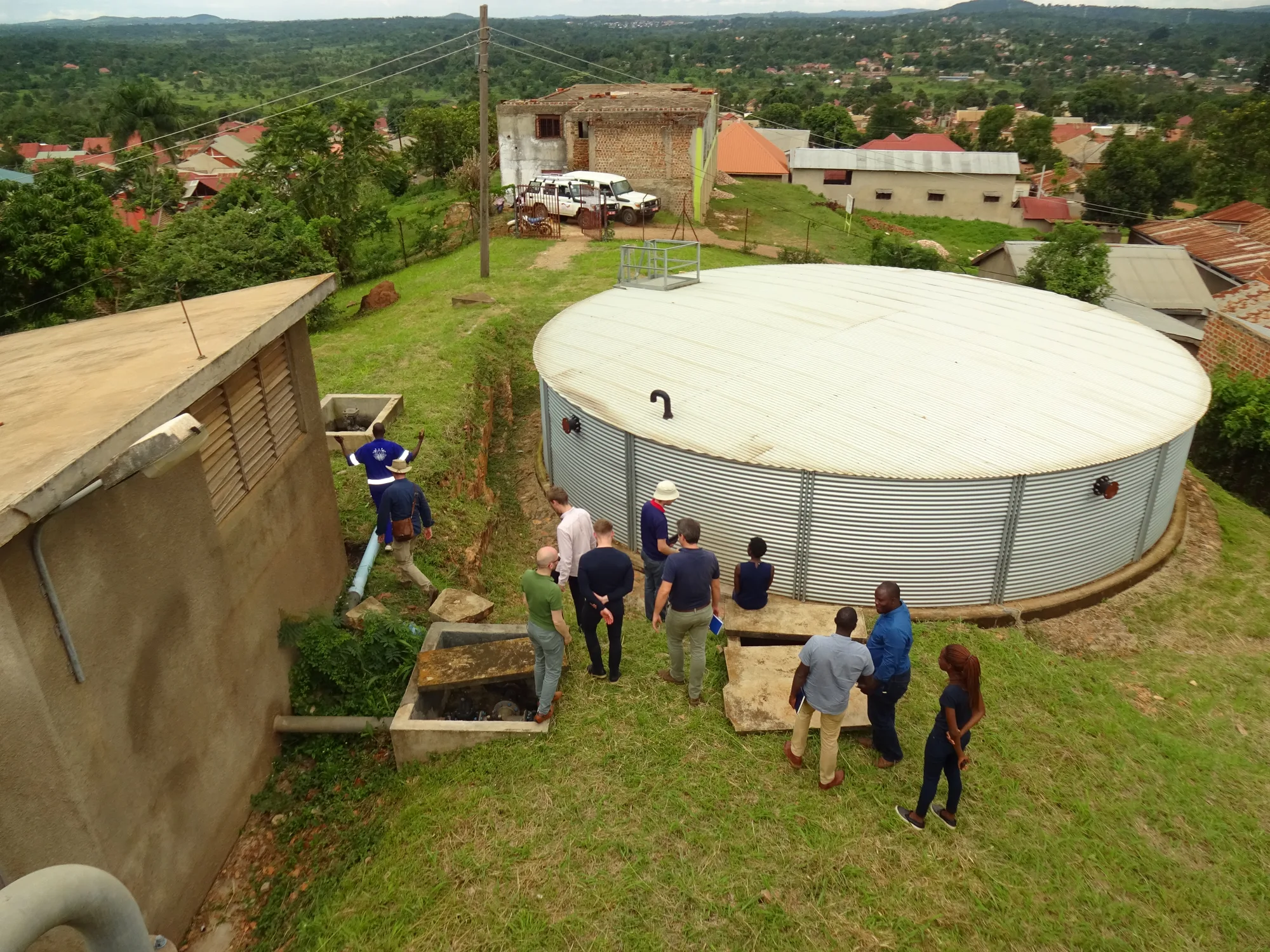
We test against the contract and specification you signed, so we need both. Site access with the installer present lets us run functional tests on the system in addition to the document review.
- Contract and specification
- Installer documentation
- Site access with the installer present
How it runs
Four steps from document review to an acceptance recommendation.
Document review
We check the as-built drawings, protocols, certificates and grid operator approvals.
Site inspection and tests
We inspect the installed system and run the contracted functional tests on site.
Defect list
We compile a classified list of any defects found during the inspection.
Acceptance recommendation
You receive a written recommendation on whether to accept the system.
Role and fee
This is how we are engaged on this service and how the fee is set.
One role per project
On every project we take one of two roles, never both. As independent advisor we are paid a fee, earn nothing on hardware and take no commission from manufacturers or installers. As turnkey partner we deliver the system through vetted installation partners under one contract. If we wrote the specification or evaluate the bids, we do not bid.
Fee
Load-profile analysis, feasibility studies, quote reviews and acceptance tests are offered at a fixed price agreed on the scope. Owner's engineering is billed by day rate or as a fixed fee. Turnkey delivery is a fixed-price contract.
The figures and references on this site are projects of Equator Solar Systems Ltd in East Africa. The contracting party for ZNX services is ZNX Energy GmbH.