Advisory
Feasibility study
A decision document for storage, PV or charging, following the method of DIN EN 16247-1 and ISO 50002, for management, lender and auditor.
4,074 kWp
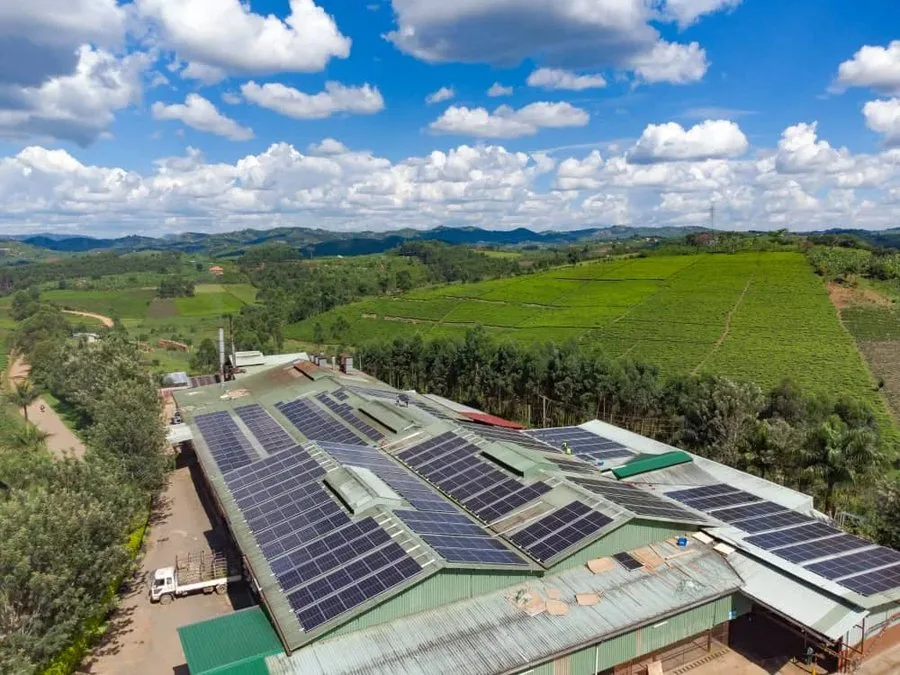
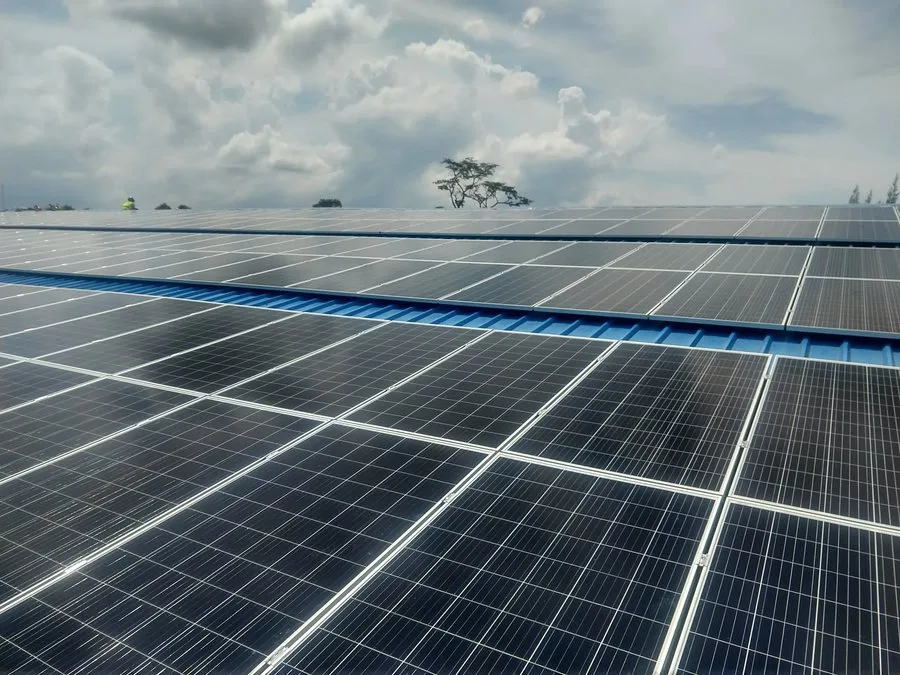
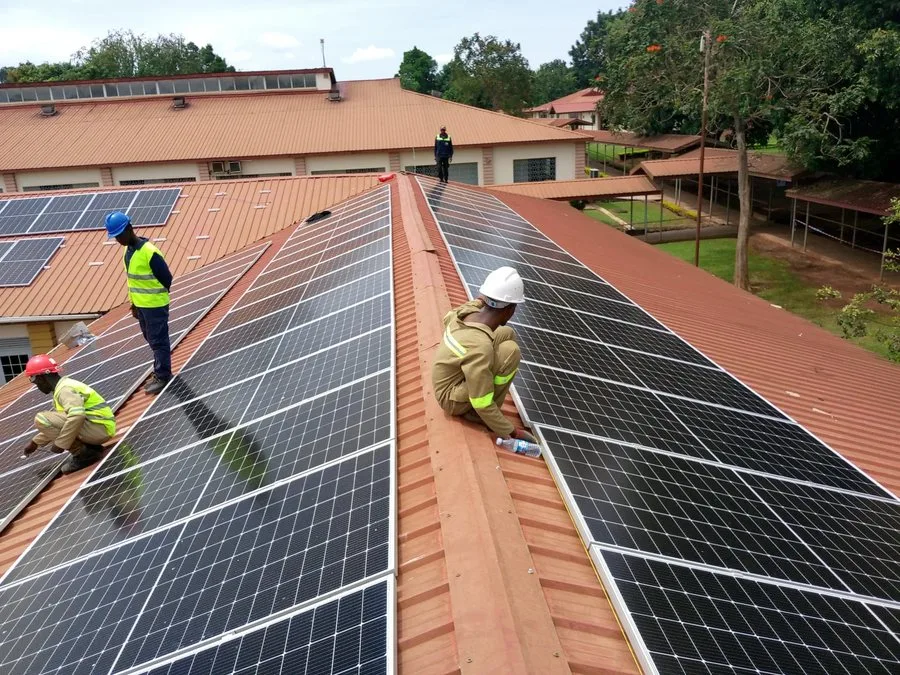
PV by Equator Solar
3,923 kWh
Storage by Equator Solar
34
Storage projects by Equator Solar
15
Years of Equator Solar
A management decision needs one document that stands up to review.
The study brings technology, grid connection, site and regulation together in one document. It follows the method of DIN EN 16247-1 and ISO 50002, the standards for energy audits, so that a lender or an auditor can check it, and it stays manufacturer-neutral throughout.
DIN EN 16247-1
Energy audit standard the study is written to
ISO 50002
Energy audit standard applied alongside it
What you get and what we need
What you get
You get a technical and economic assessment with several sizing variants.
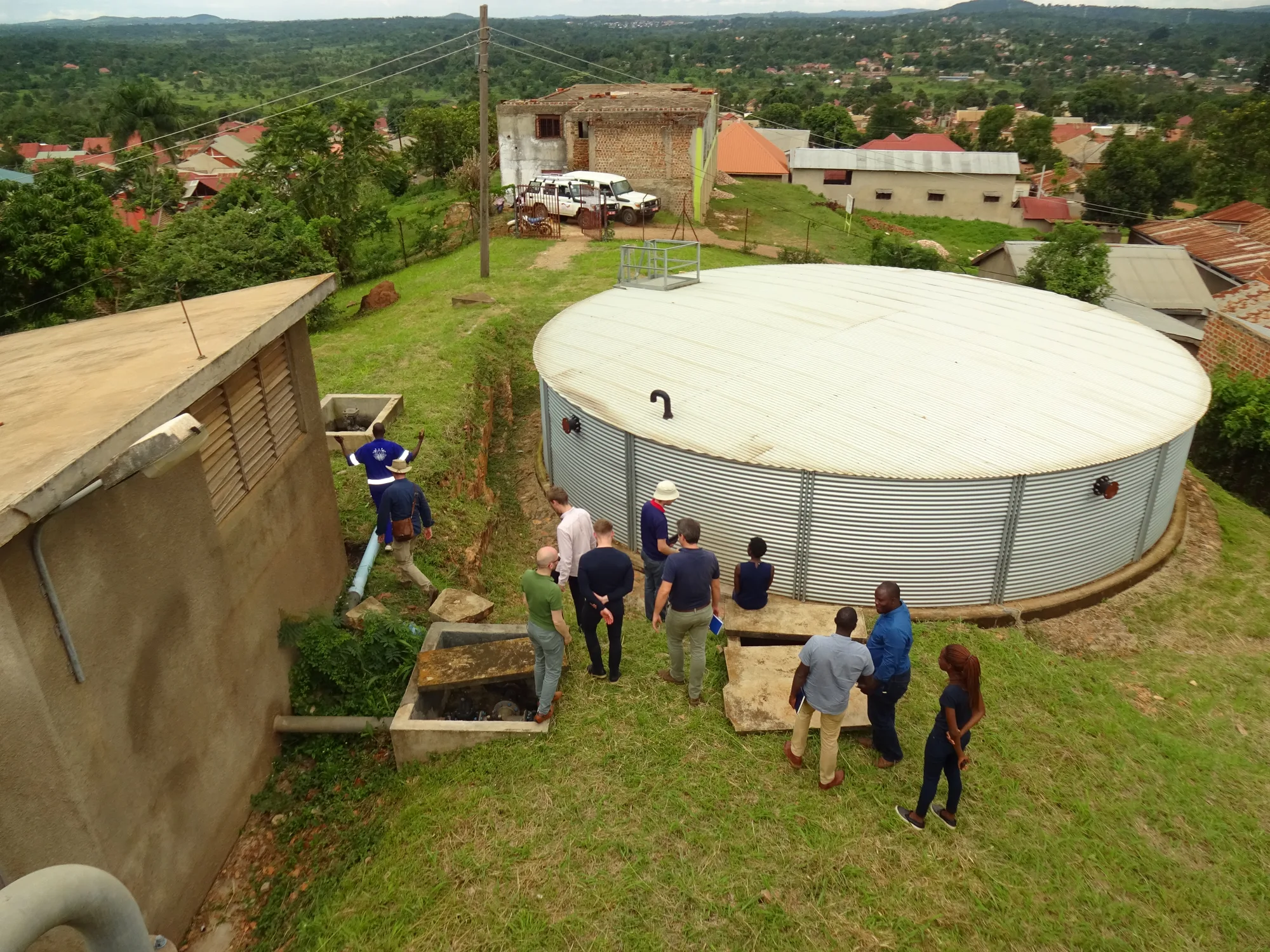
The study covers sizing variants, a grid connection assessment, the site and permitting requirements and the regulations that apply to your case. It ends with an economic assessment for your internal decision and a clear recommendation.
- Technical concept with sizing variants
- Simulation against the real load profile
- Grid connection assessment (VDE-AR-N 4105 or 4110, the German connection rules for low and medium voltage)
- Site, fire protection and permitting requirements
- Regulatory framework where relevant: the §118(6) EnWG grid-fee exemption for storage and §19(2) StromNEV individual grid fees
- Economic assessment for your internal decision
- Risks and a recommendation
DIN EN 16247-1
Energy audit standard the study is written to
ISO 50002
Energy audit standard applied alongside it
What we need from you
We need your load data, site data and grid connection data.
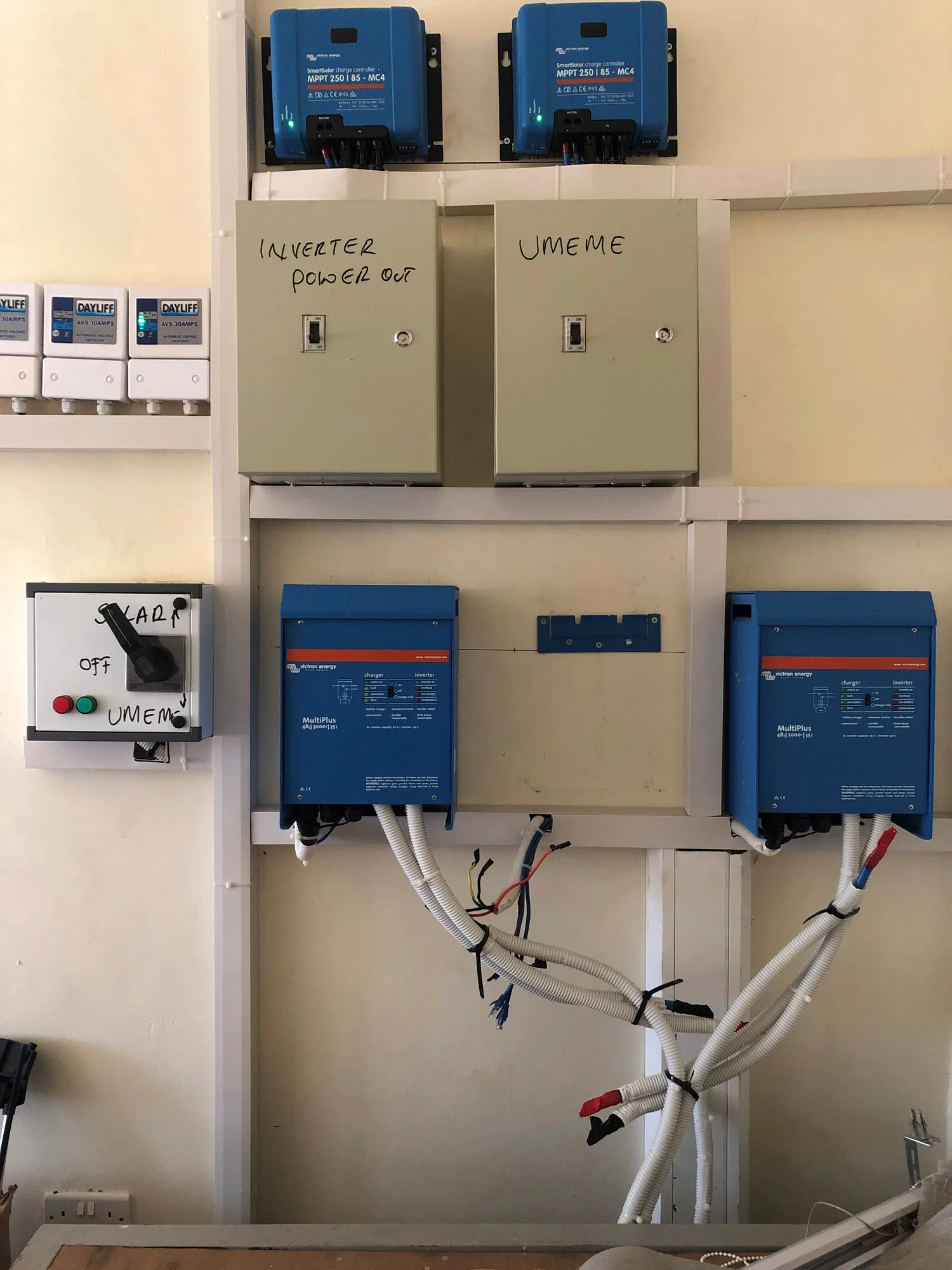
The study is only as reliable as the data behind it, so we start from your load profile and bills instead of assumptions. Site plans, the data in your grid connection contract and any planned expansions decide which variants we model.
- Load profile and bills
- Site plans, roof or area data
- Grid connection contract data
- Planned expansions
- Contact at the grid operator if known
How it runs
Five steps from kick-off to a final report you can present.
Kick-off and data list
We agree the scope and list the data we need from you and the grid operator.
Site visit
We walk the site to check roof, area, fire protection and permitting constraints in person.
Modelling and variants
We model sizing variants against your real load profile rather than a single fixed design.
Draft report and review
You review a draft report and raise questions before it is finalised.
Final report and presentation
We present the final report and the recommendation to your decision makers.
Role and fee
This is how we are engaged on this service and how the fee is set.
One role per project
On every project we take one of two roles, never both. As independent advisor we are paid a fee, earn nothing on hardware and take no commission from manufacturers or installers. As turnkey partner we deliver the system through vetted installation partners under one contract. If we wrote the specification or evaluate the bids, we do not bid.
Fee
Load-profile analysis, feasibility studies, quote reviews and acceptance tests are offered at a fixed price agreed on the scope. Owner's engineering is billed by day rate or as a fixed fee. Turnkey delivery is a fixed-price contract.
The figures and references on this site are projects of Equator Solar Systems Ltd in East Africa. The contracting party for ZNX services is ZNX Energy GmbH.