Use case
Buffer storage for charging
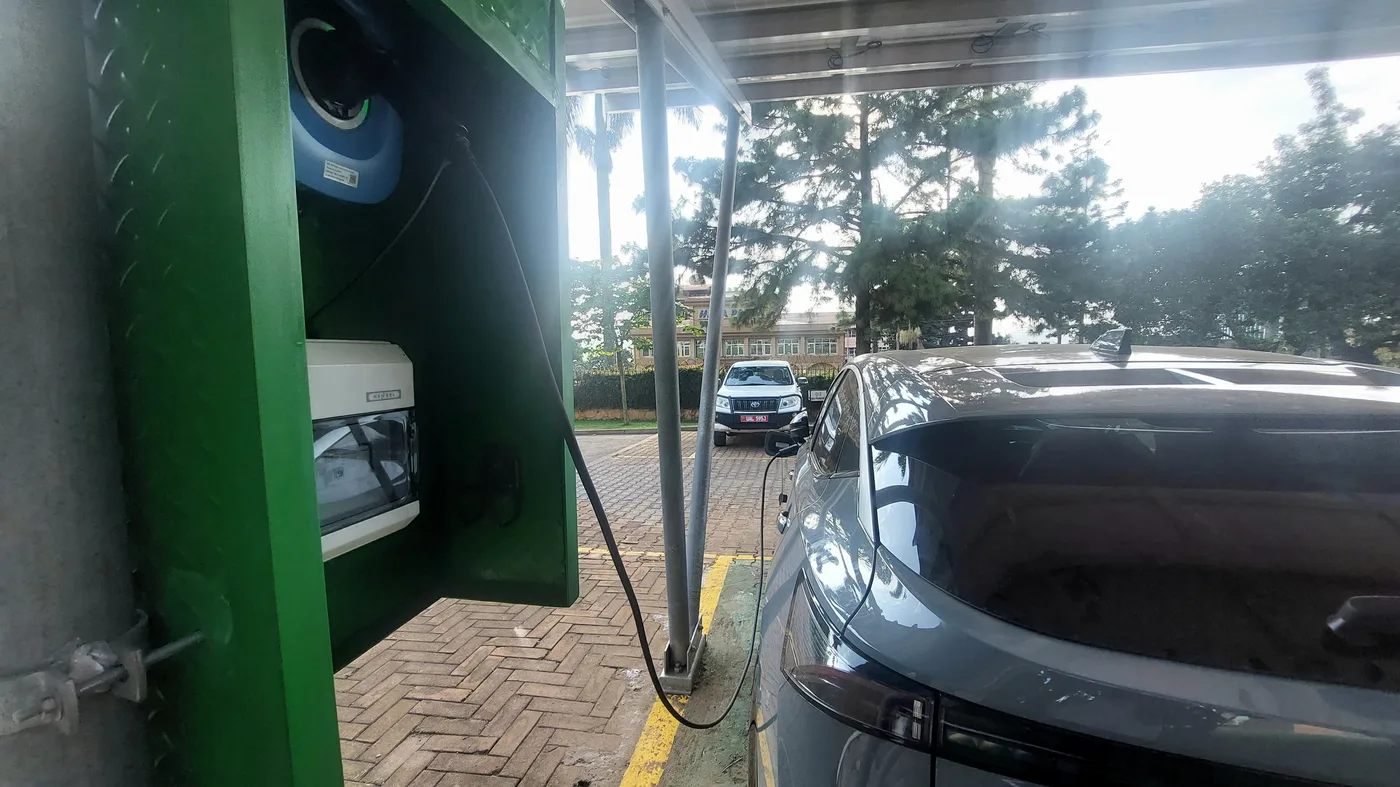
Fleet charging often hits the grid connection limit before the parking limit. A buffer battery can be faster than a grid upgrade.
4,074 kWp
PV by Equator Solar
3,923 kWh
Storage by Equator Solar
34
Storage projects by Equator Solar
15
Years of Equator Solar
The grid connection reaches its limit before the parking spaces run out.
A buffer battery stores energy while the chargers are idle or lightly used and releases it when many vehicles charge at once. A fleet charging park, its buffer battery and its load management (the control that spreads charging over time) have to be sized together as one system. The available connection capacity, the grid operator’s process and timeline and the depot’s own logistics all shape what the buffer needs to cover. Where a connection upgrade would take longer than the fleet rollout, a buffer battery can put the site into service sooner.
Sized together
Charging park, buffer and load management as one system
Faster than an upgrade
Where the grid operator’s timeline is the limit
How it works and where to start
How it works
The buffer covers the gap between the charging demand and the connection limit.
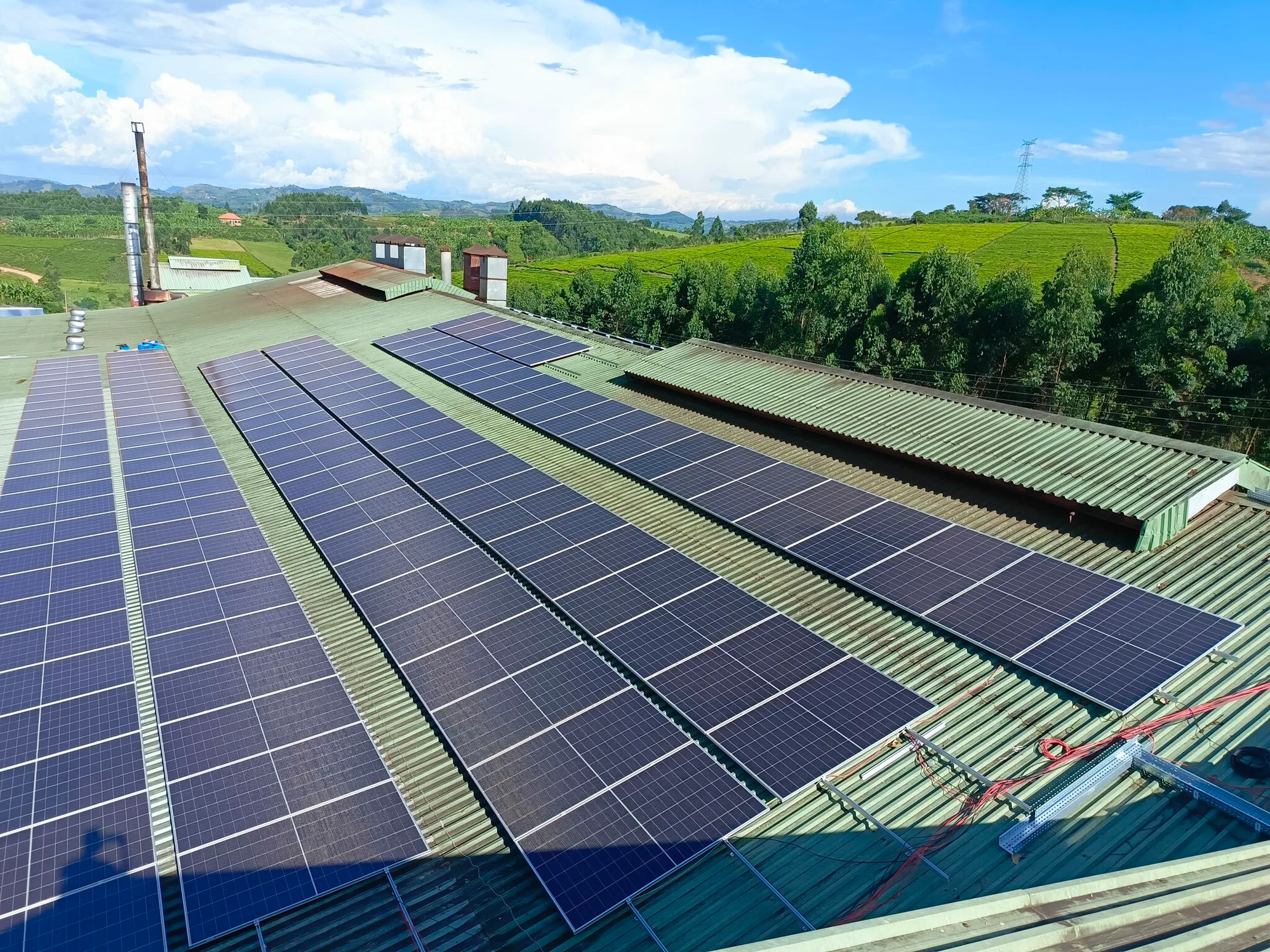
Load management spreads charging across the fleet’s vehicles within the available connection capacity, and the buffer battery covers the peaks that spreading alone cannot flatten. Depot and logistics patterns, such as shift changes and return times, decide how much buffer the site actually needs.
- Buffer battery and load management are sized as one system
- The buffer can bring a depot into service before a grid connection upgrade is complete
- The buffer is sized against the fleet’s real charging profile instead of the rated charger power
Where to start
A feasibility study checks the connection capacity against the fleet plan.
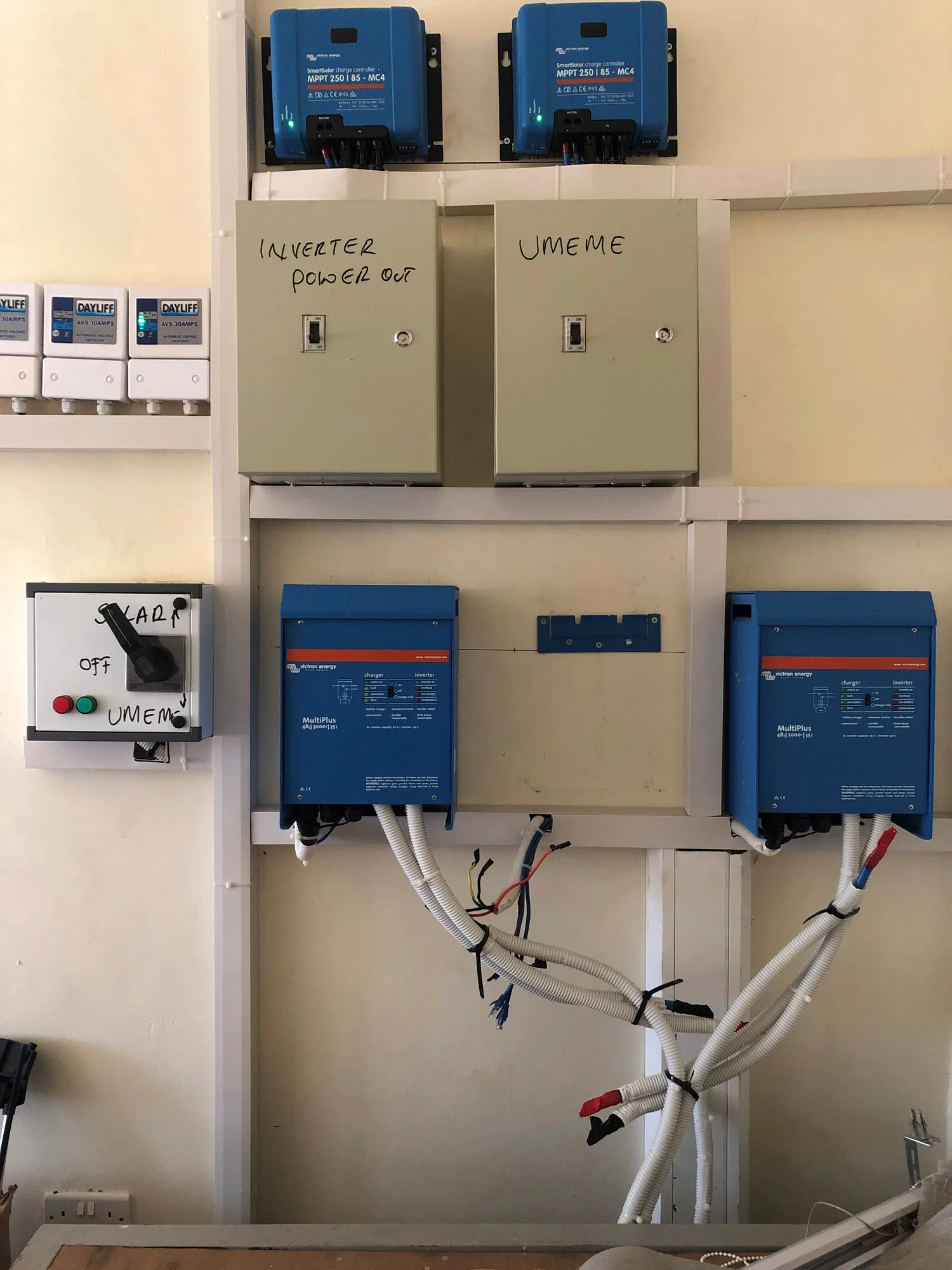
Before a buffer is sized, the study sets out the available grid connection capacity, the grid operator’s process and the fleet’s charging profile side by side. The decision on the buffer then rests on the real limit of your site.
- The feasibility study checks connection capacity against the fleet’s charging profile
- You receive a written recommendation on whether a buffer is worth building
What decides whether it works
Three factors that decide the size of the buffer and how soon the depot can go live.
Available connection capacity
What the existing grid connection can already carry sets the gap that the buffer has to fill.
Charging profile of the fleet
When vehicles arrive, how long they stay and how fast they need to charge determines the peak that the buffer must absorb.
Lead time of a grid upgrade
Where the grid operator’s own timeline is the limit, a buffer can put the depot into service sooner.
Role and fee
The same rules apply whichever use case brought you here.
One role per project
On every project we take one of two roles, never both. As independent advisor we are paid a fee, earn nothing on hardware and take no commission from manufacturers or installers. As turnkey partner we deliver the system through vetted installation partners under one contract. If we wrote the specification or evaluate the bids, we do not bid.
Fee
Load-profile analysis, feasibility studies, quote reviews and acceptance tests are offered at a fixed price agreed on the scope. Owner's engineering is billed by day rate or as a fixed fee. Turnkey delivery is a fixed-price contract.
The figures and references on this site are projects of Equator Solar Systems Ltd in East Africa. The contracting party for ZNX services is ZNX Energy GmbH.