Use case
Backup power for critical processes
A storage system can keep critical circuits running through a grid outage, if it is specified for it from the start.
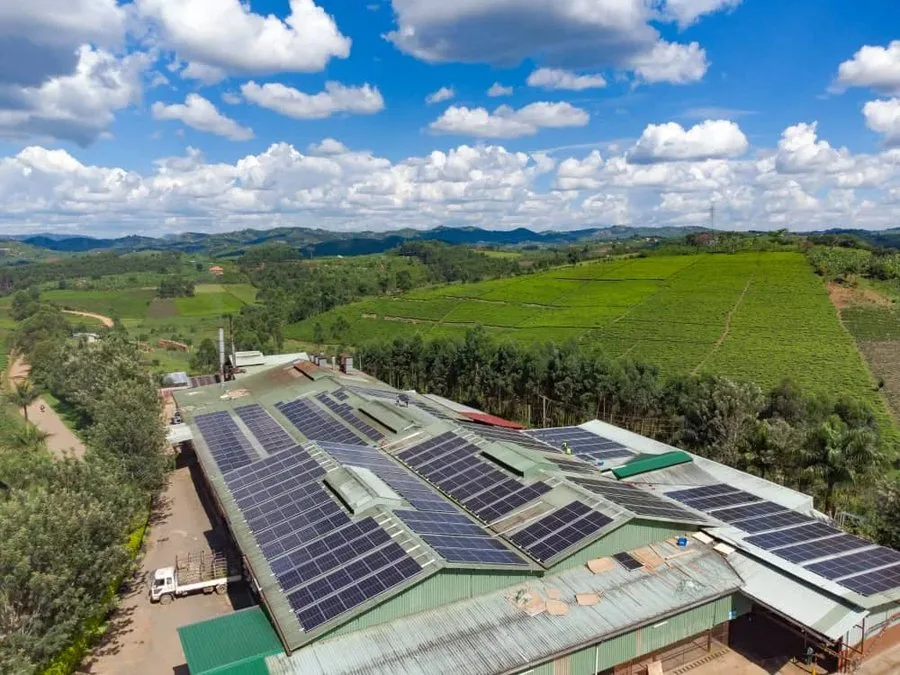
4,074 kWp
PV by Equator Solar
3,923 kWh
Storage by Equator Solar
34
Storage projects by Equator Solar
15
Years of Equator Solar
Backup has to be part of the design from the first draft.
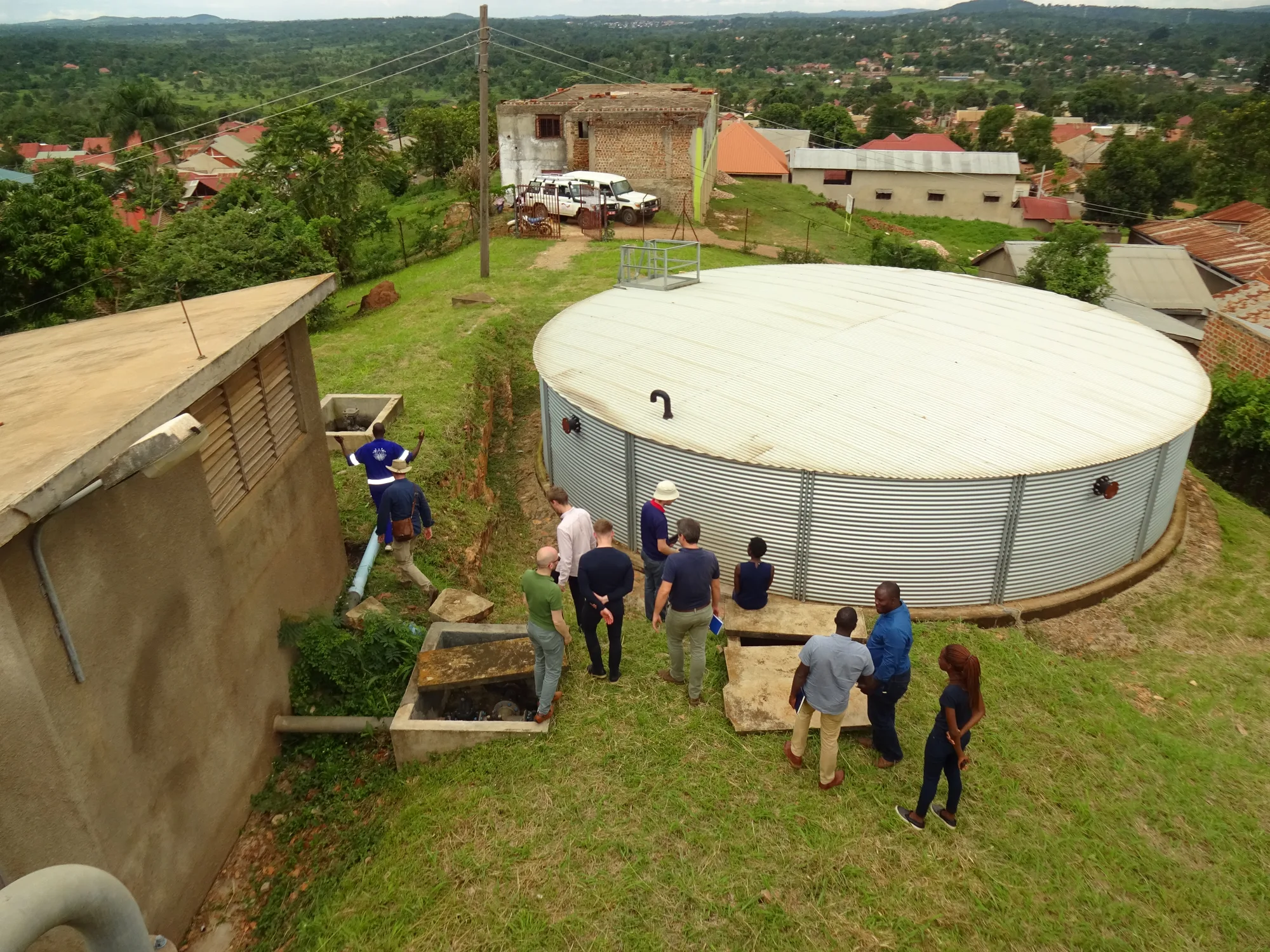
Backup and island operation (running the site without the grid) need specific hardware and protection concepts. The inverter must be grid-forming, which means it can build up its own voltage and frequency without the grid. The switchover time must be defined, and where required the system needs black-start capability, so that it can restart the site with no external supply. These points belong in the specification from the first draft, because they are hard to add once the system is ordered. ZNX’s managing directors also lead Equator Solar Systems Ltd in Uganda, where weak grids make backup and island operation the main reason for storage. That background shapes how ZNX writes a backup specification.
Grid-forming
Inverter capability a backup specification must state explicitly
Switchover time
Defined in the design, before commissioning
How it works and where to start
How it works
The system detects the outage and keeps the critical circuits running through it.
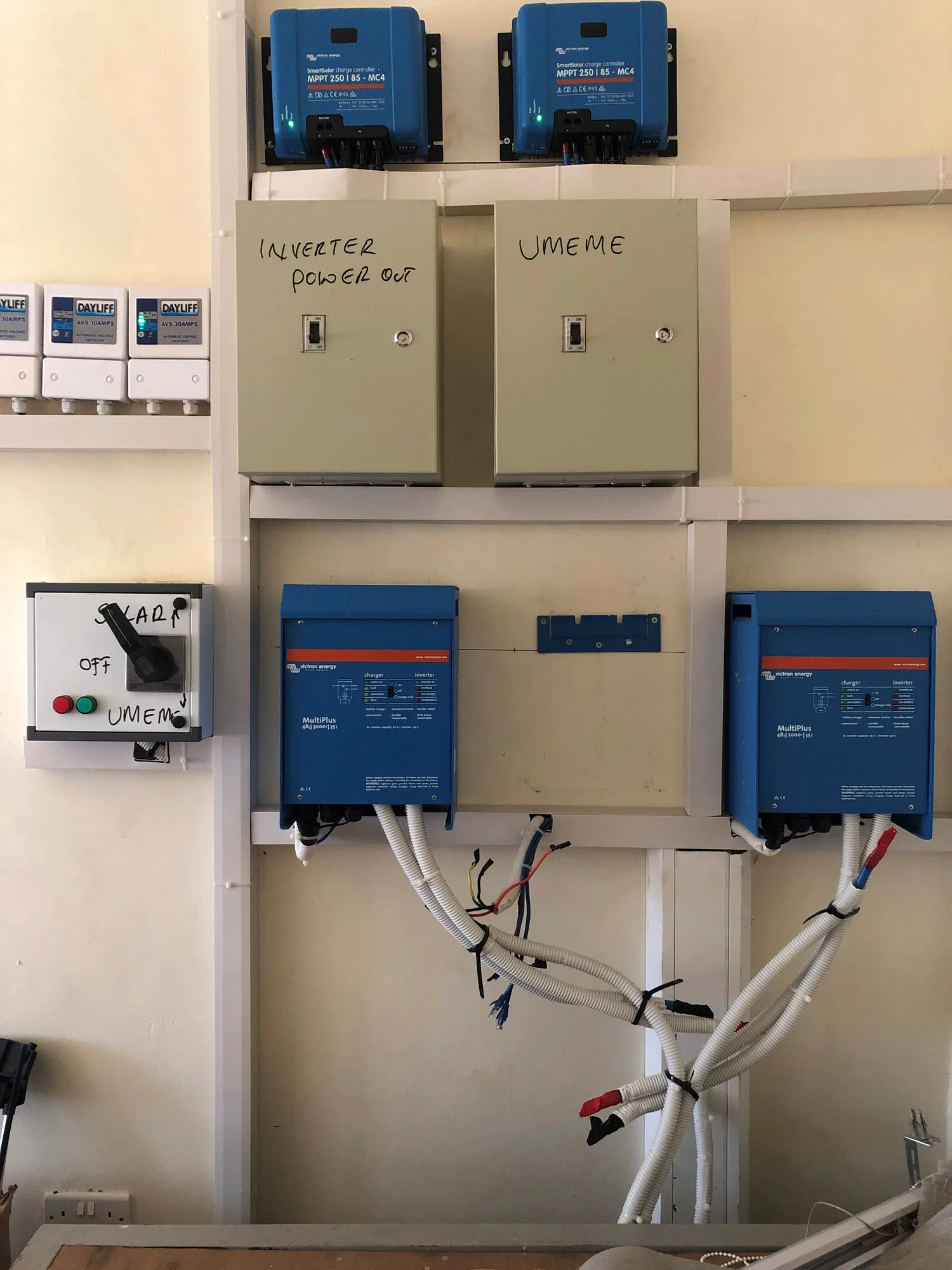
When the grid fails, a grid-forming inverter switches the critical circuits onto the battery within the specified switchover time. Where the load requires it, the system can black-start without any external supply. None of this happens by default, so it has to be specified, tested and witnessed at acceptance.
- Grid-forming capability and switchover time are fixed in the specification
- Black start is included only where the load actually requires it
- Backup is tested at commissioning instead of taken from a datasheet
Where to start
A specification fixes the backup requirements before any bid is priced.
Critical loads, switchover time and island or black-start capability go into the specification (Lastenheft) before bidders quote. Every offer is then priced against the same requirement instead of what each supplier assumed.
- The specification fixes what "backup" means for your site before bidding starts
- The bid comparison then checks every offer against the same requirement
What decides whether it works
Three questions the specification has to answer before a system can be quoted.
Which loads are critical
Not every circuit needs backup, and the list of critical loads sets the size of the system.
Switchover time required
How long the load can tolerate an interruption decides which inverter design is acceptable.
Black start and island capability
The specification states whether the system must be able to restart the site with no external supply at all.
Role and fee
The same rules apply whichever use case brought you here.
One role per project
On every project we take one of two roles, never both. As independent advisor we are paid a fee, earn nothing on hardware and take no commission from manufacturers or installers. As turnkey partner we deliver the system through vetted installation partners under one contract. If we wrote the specification or evaluate the bids, we do not bid.
Fee
Load-profile analysis, feasibility studies, quote reviews and acceptance tests are offered at a fixed price agreed on the scope. Owner's engineering is billed by day rate or as a fixed fee. Turnkey delivery is a fixed-price contract.
The figures and references on this site are projects of Equator Solar Systems Ltd in East Africa. The contracting party for ZNX services is ZNX Energy GmbH.