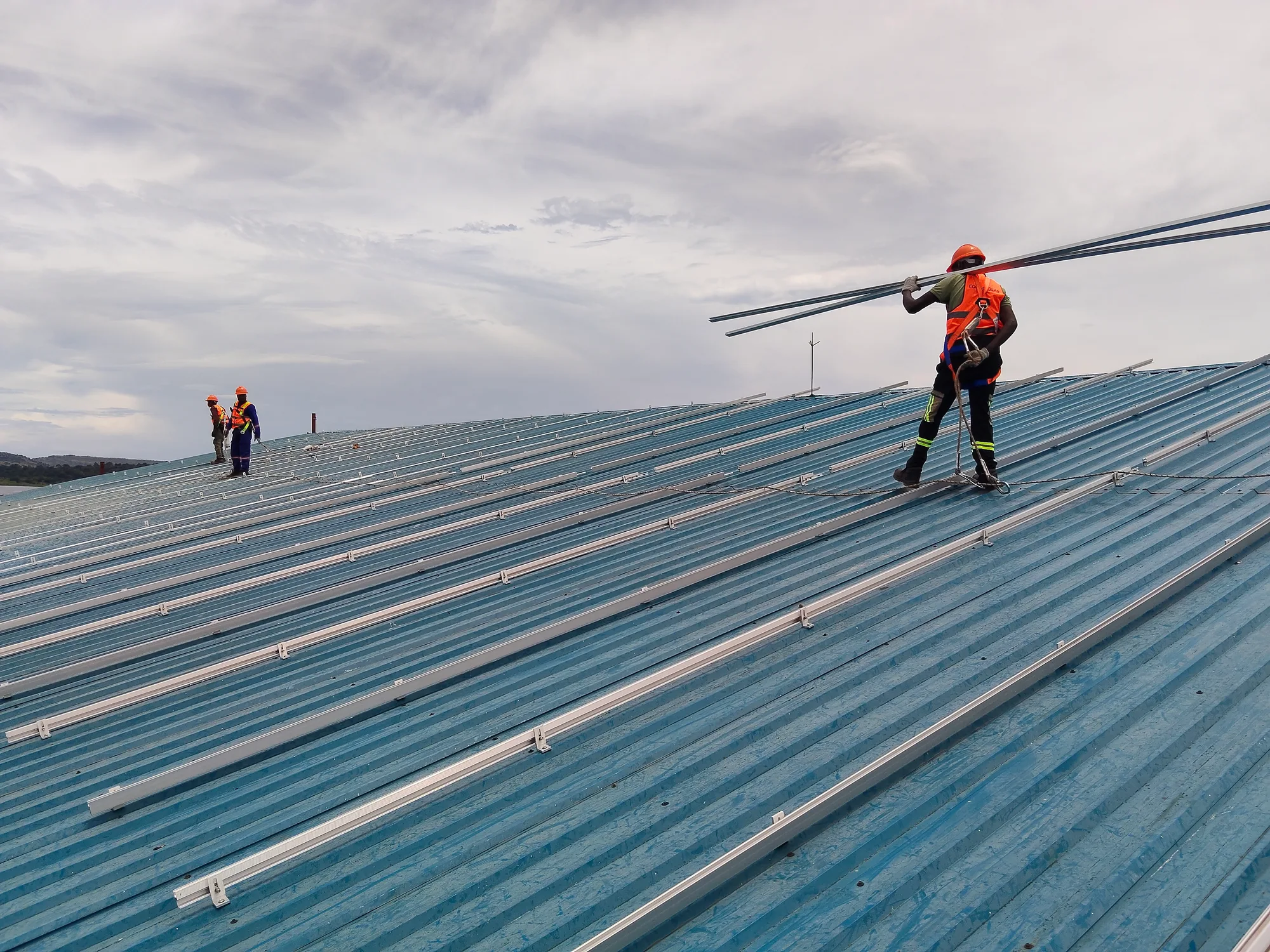
Use case
Self-consumption with storage
Storage moves PV surplus into the hours you consume. It works when the load profile and the generation curve fit together.
4,074 kWp
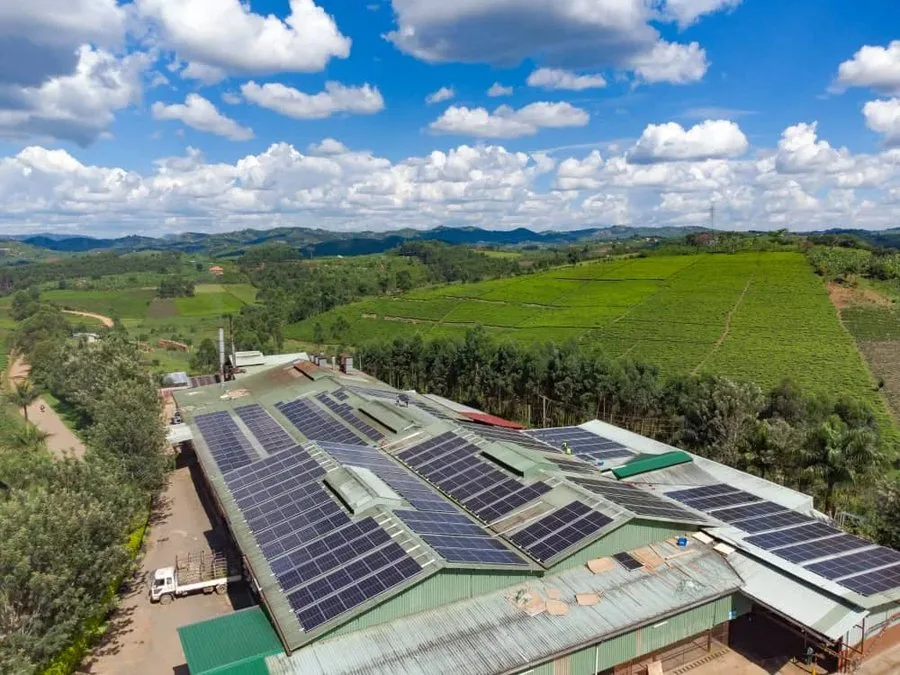
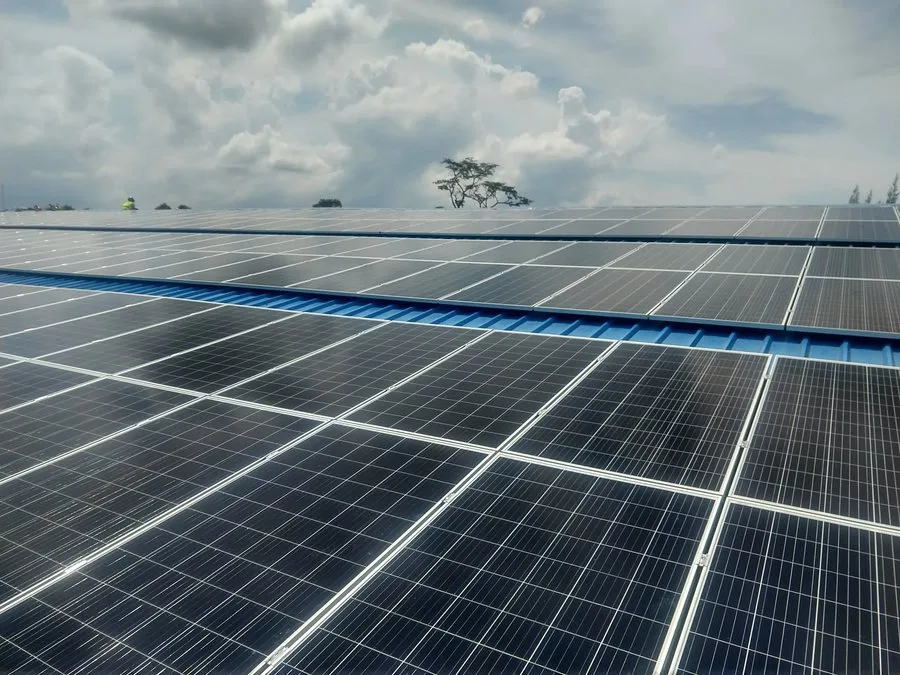
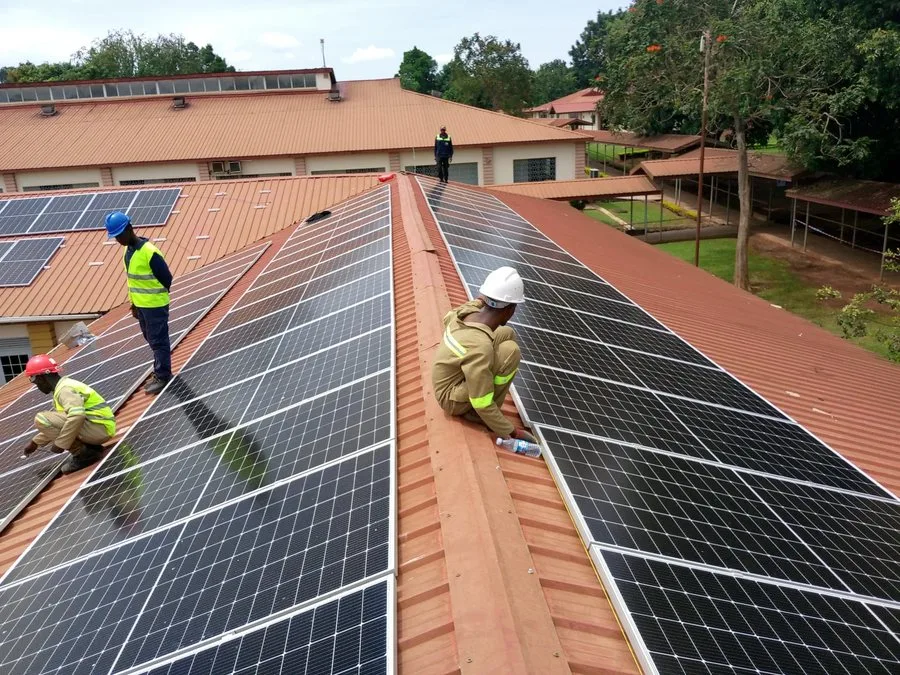
PV by Equator Solar
3,923 kWh
Storage by Equator Solar
34
Storage projects by Equator Solar
15
Years of Equator Solar
Storage is only worth adding where PV alone falls short.
Self-consumption means using the power from your own PV (solar) system on site instead of exporting it. Where most of your consumption already falls within the hours of solar generation, PV alone may do the job, and a battery would have nothing left to shift. Storage helps once evening and weekend loads fall outside the sunlight hours, because it shifts surplus generation to the times the power is actually used. It can be combined with peak shaving in one multi-use system that is sized once for both tasks. Not every roof and every load profile justifies storage.
Multi-use
One battery can serve self-consumption and peak shaving together
Load-matched
Sized against your real generation and consumption curves
How it works and where to start
How it works
The battery stores the solar power that your site does not use at the time.
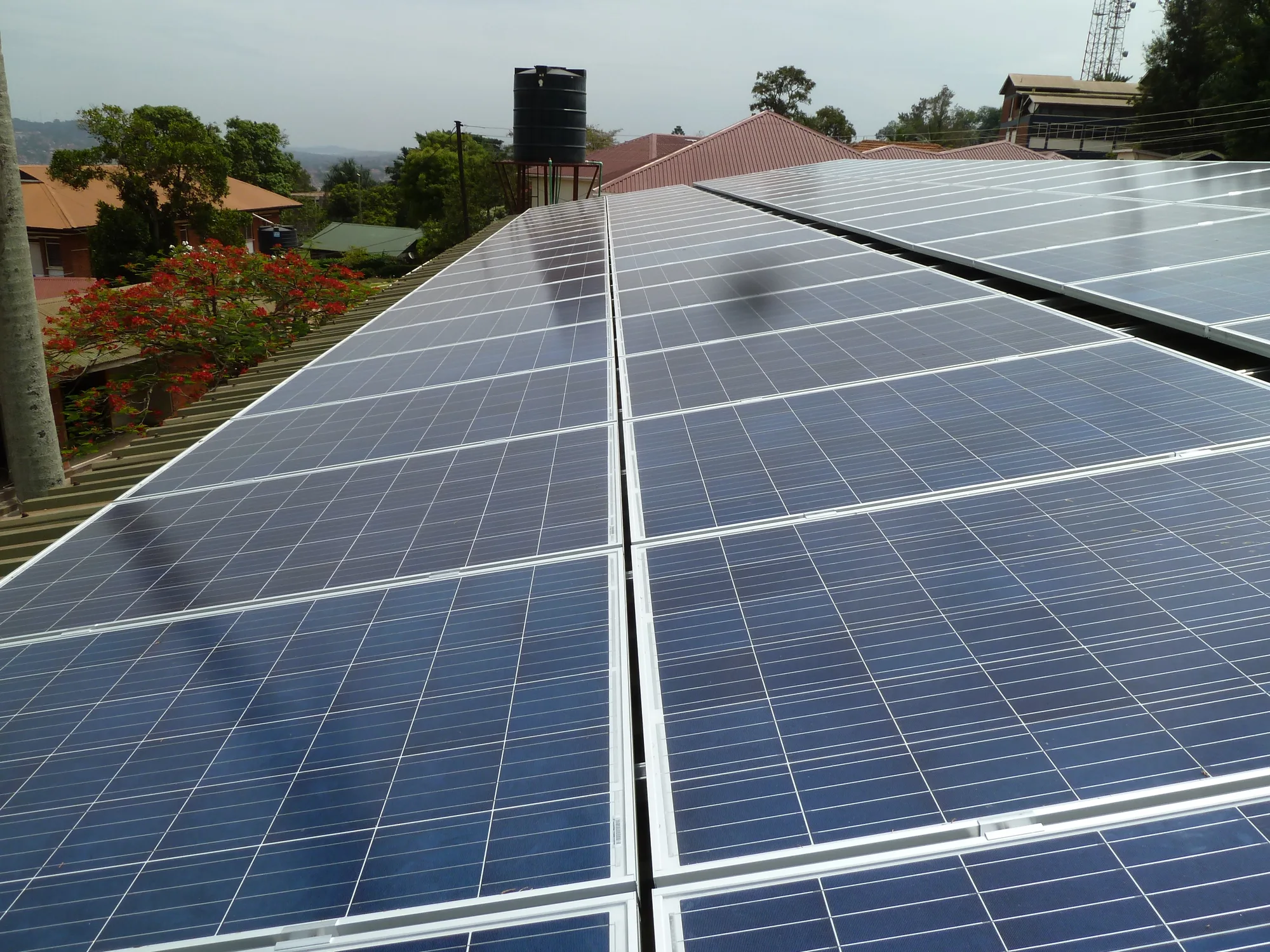
Surplus PV generation charges the battery during the day. In the evening, at the weekend or during a shift the panels cannot cover, the battery supplies the stored energy to your load. Without it, the surplus would go into the grid and the shortfall would come from the grid.
- Shifts PV surplus into the hours in which you actually need the power
- Covers shift patterns and weekend loads that a PV-only system cannot reach
- The same battery can also be sized to shave the annual peak
Where to start
A feasibility study tests the load profile against the generation curve.
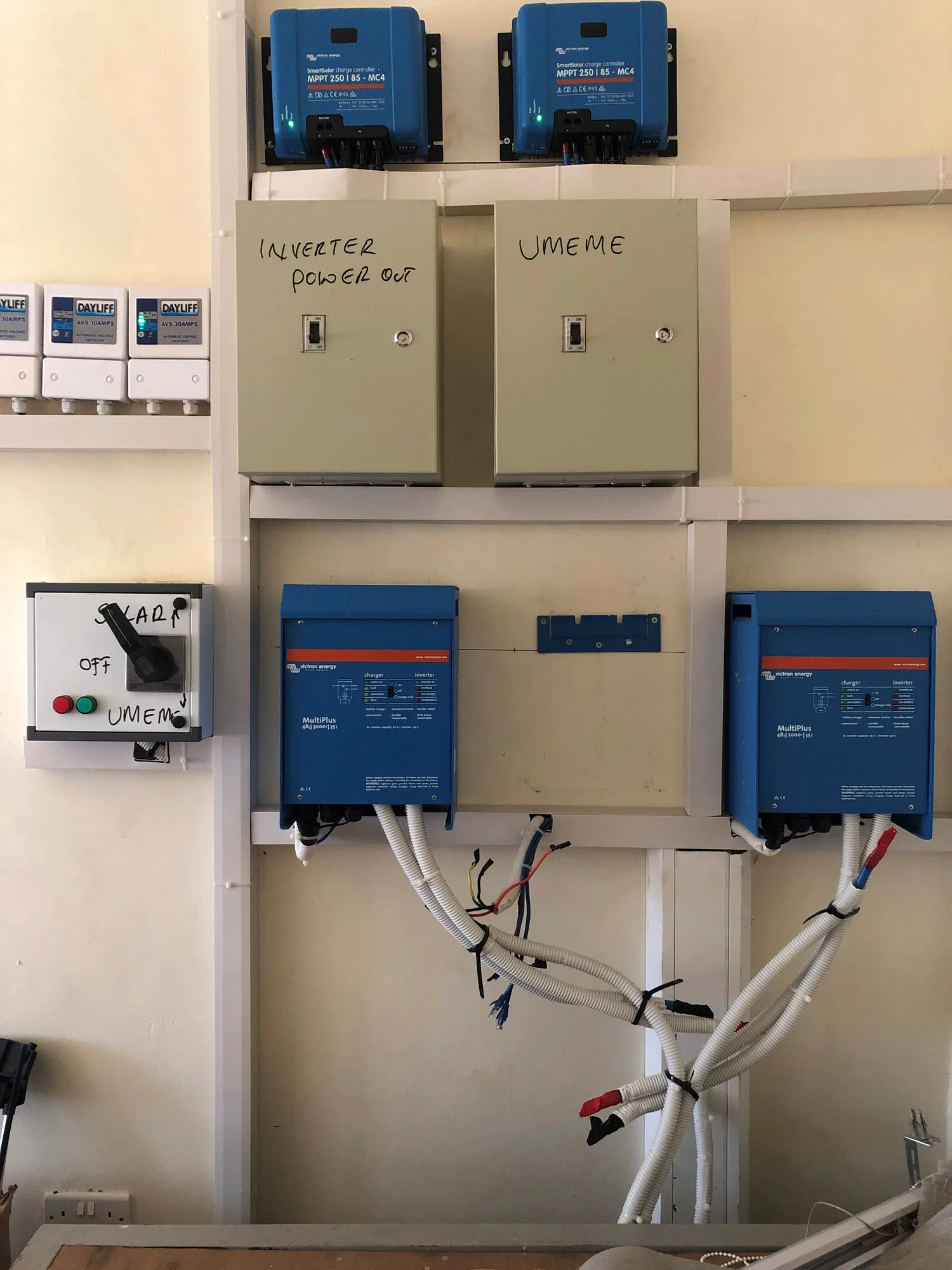
The study models your actual consumption against a realistic generation curve for your roof or site, so the sizing decision rests on your own data instead of a rule of thumb.
- The feasibility study models load against generation before anything is sized
- It follows the method of DIN EN 16247-1 and ISO 50002, the energy-audit standards, so that you can rely on the decision
What decides whether it works
Three factors decide whether storage adds anything PV alone does not already cover.
Overlap of load and generation
This is how much of your daily consumption already falls within the hours of solar generation, and how much falls outside them.
Weekend and shift pattern
Storage shifts energy into loads that continue after daylight hours or over the weekend.
Use of the same battery for peak shaving
A battery for self-consumption can often be sized once so that it also shaves the peak.
Role and fee
The same rules apply whichever use case brought you here.
One role per project
On every project we take one of two roles, never both. As independent advisor we are paid a fee, earn nothing on hardware and take no commission from manufacturers or installers. As turnkey partner we deliver the system through vetted installation partners under one contract. If we wrote the specification or evaluate the bids, we do not bid.
Fee
Load-profile analysis, feasibility studies, quote reviews and acceptance tests are offered at a fixed price agreed on the scope. Owner's engineering is billed by day rate or as a fixed fee. Turnkey delivery is a fixed-price contract.
The figures and references on this site are projects of Equator Solar Systems Ltd in East Africa. The contracting party for ZNX services is ZNX Energy GmbH.