
Use case
Peak shaving
For RLM customers the highest quarter hour of the year sets the capacity charge. A battery sized to your load profile keeps that peak down.
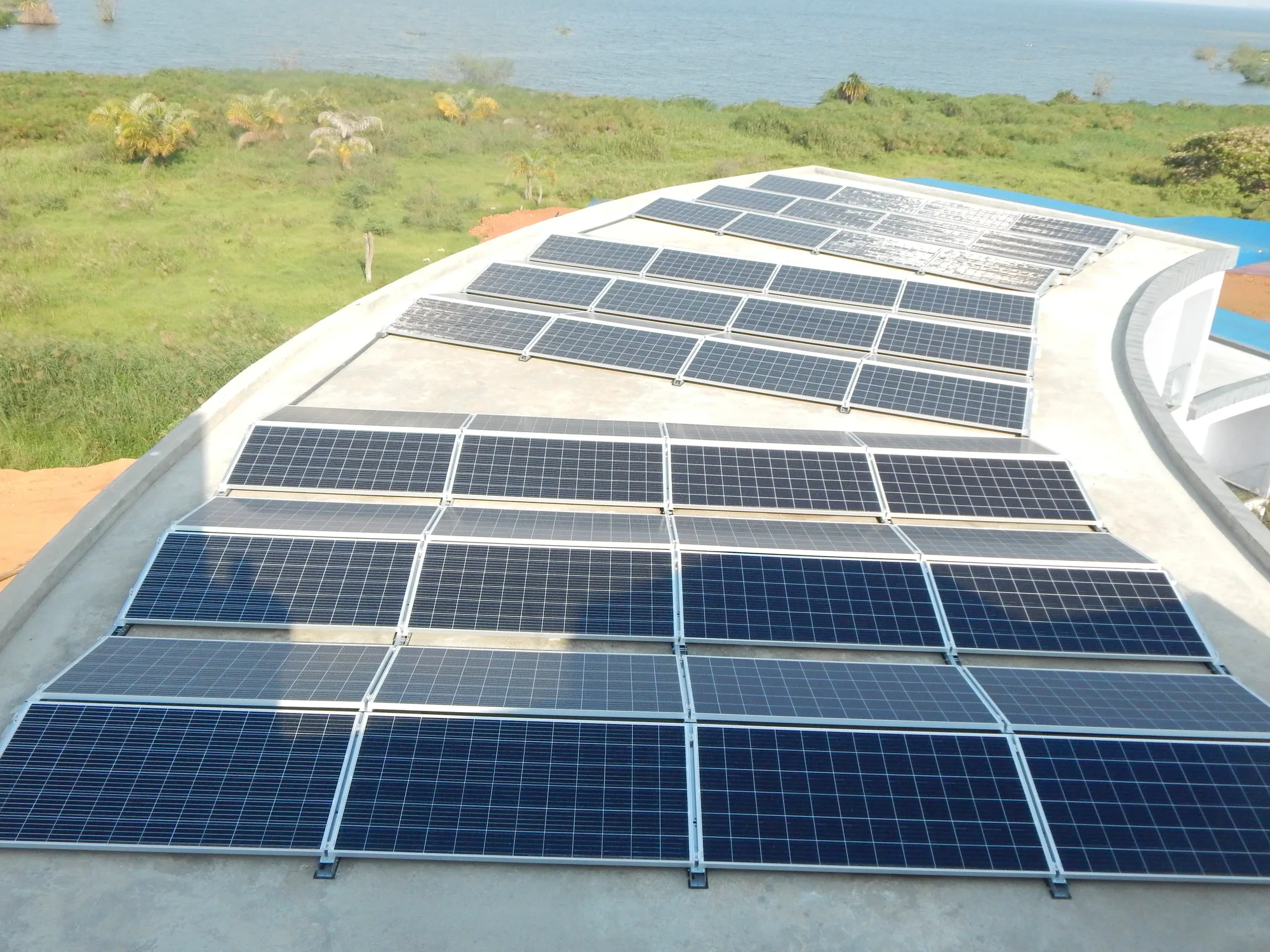
4,074 kWp
PV by Equator Solar
3,923 kWh
Storage by Equator Solar
34
Storage projects by Equator Solar
15
Years of Equator Solar
The Leistungspreis is billed on a single quarter hour, whatever your total consumption.
Above 100,000 kWh a year, grid operators usually meter a site with RLM metering, which records the power draw every quarter hour. These RLM customers pay a capacity charge, the Leistungspreis, on the highest quarter hour of the billing year, so a single sharp peak can set that charge for the whole year. Peak shaving means a battery covers those peaks so that the grid does not have to. Peakiness, the ratio of peak load to base load, and how predictable the peak is matter more than total consumption. An individual grid fee under §19(2) StromNEV can interact with peak shaving and has to be checked case by case. The storage itself can qualify for the §118(6) EnWG grid-fee exemption if the stored energy is fed back into the same grid, and we check this per project.
100,000 kWh
Annual consumption above which grid operators usually require RLM metering
1 quarter hour
Sets the capacity charge for the year
How it works and where to start
How it works
The battery discharges during the peak so that the grid does not have to carry it.
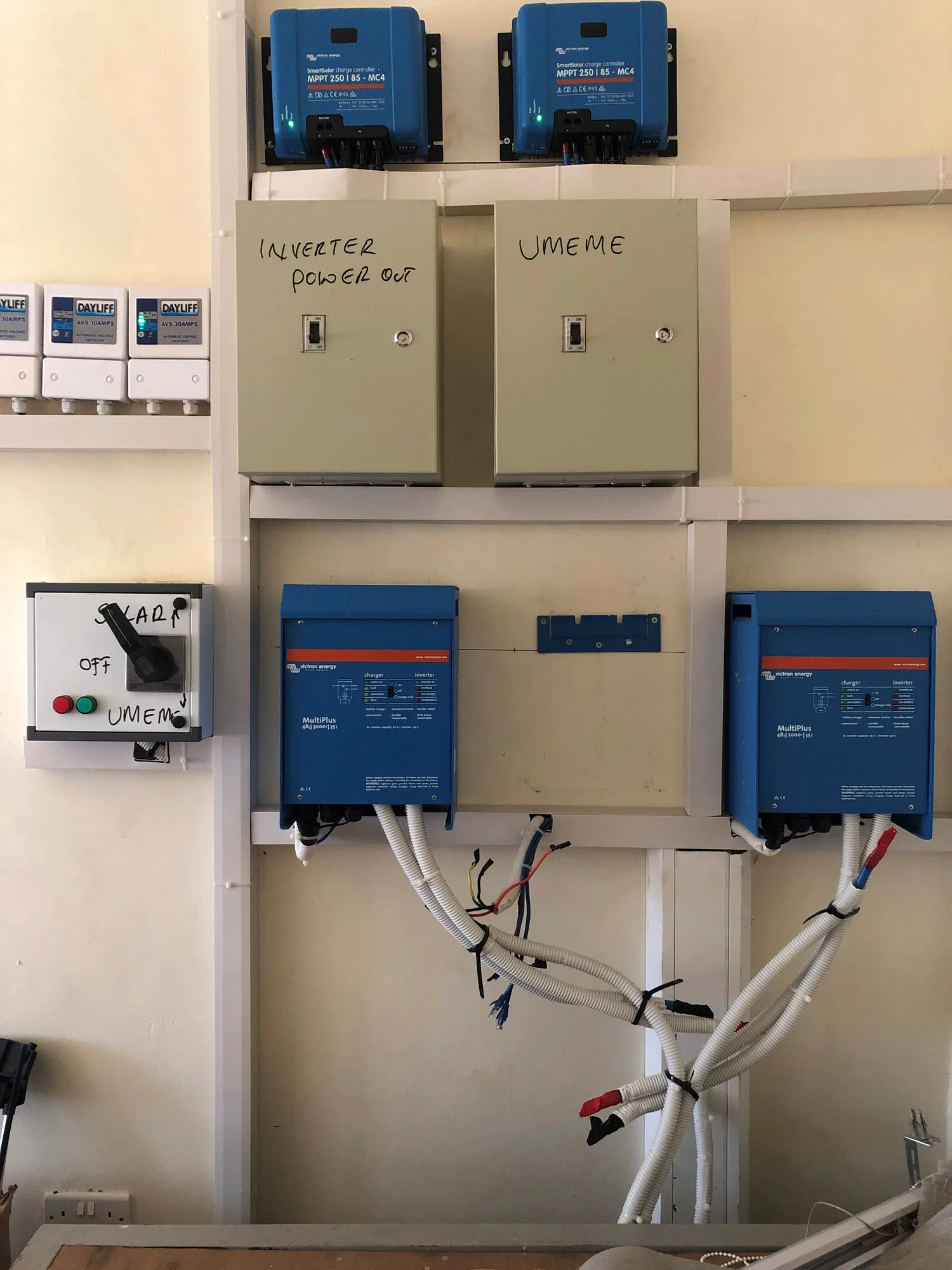
The system watches the load in real time and discharges whenever a quarter hour threatens to set a new annual peak. When it is sized correctly, it holds the peak below a target that the load-profile analysis sets. The same battery can also store solar power for self-consumption, which makes it a multi-use system.
- Sized against the annual load profile instead of the connection capacity
- Can run peak shaving and self-consumption from the same battery
- Can qualify for the §118(6) EnWG grid-fee exemption if fed back into the same grid, checked per project
§19(2) StromNEV
Individual grid fees can interact with peak shaving
§118(6) EnWG
Exemption checked per project
Where to start
A load-profile analysis shows whether your peak is worth shaving.
Before anything is sized, someone has to read twelve months of quarter-hour data and find out how high the peak is, how often it repeats and how predictable it is. That analysis is the first step of our advisory services, and every decision on peak shaving rests on it.
- The load-profile analysis reads the peak before anything is sized
- A feasibility study follows once the peak is confirmed
What decides whether it works
Three factors matter more than total annual consumption.
Peakiness
Peakiness is the ratio of peak load to base load. For the same peak reduction, a flat profile needs a smaller battery than a spiky one.
Predictability of peaks
A peak that repeats at the same time and in the same shift is easier to shave than one that appears on different days.
Grid connection and metering setup
RLM metering and the existing grid connection determine what the battery can measure and how fast it can react.
Role and fee
The same rules apply whichever use case brought you here.
One role per project
On every project we take one of two roles, never both. As independent advisor we are paid a fee, earn nothing on hardware and take no commission from manufacturers or installers. As turnkey partner we deliver the system through vetted installation partners under one contract. If we wrote the specification or evaluate the bids, we do not bid.
Fee
Load-profile analysis, feasibility studies, quote reviews and acceptance tests are offered at a fixed price agreed on the scope. Owner's engineering is billed by day rate or as a fixed fee. Turnkey delivery is a fixed-price contract.
The figures and references on this site are projects of Equator Solar Systems Ltd in East Africa. The contracting party for ZNX services is ZNX Energy GmbH.